


10 Ancient Roman Roads That Still Exist Today
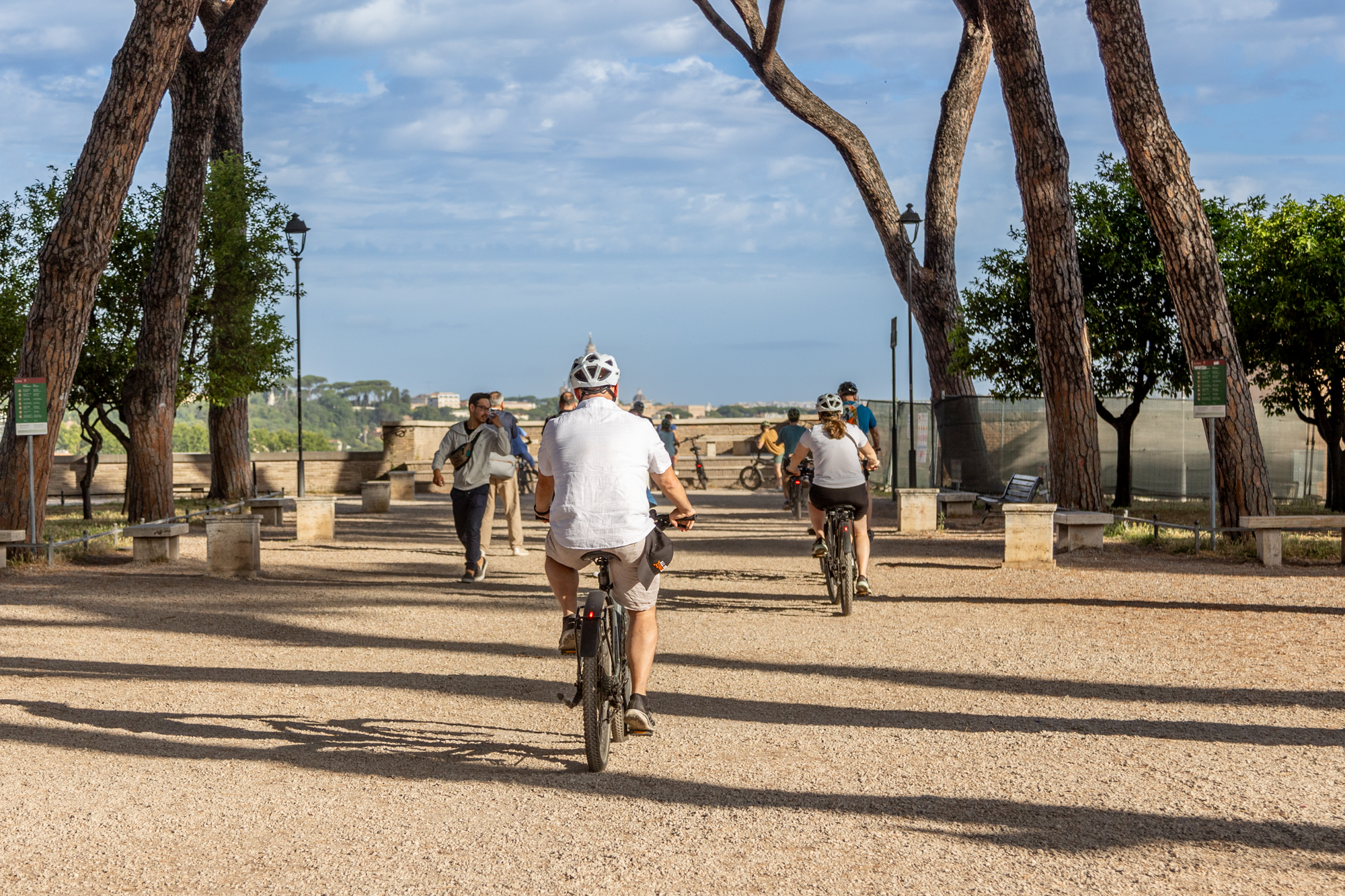
Discover Them on the Best Bike Tours Rome Has to Offer
Rome is often called the Eternal City for a reason. Beneath its bustling streets lies a network of ancient roads that have connected people, armies, merchants, and pilgrims for more than two thousand years. Many of these historic routes are still visible today, offering visitors a unique opportunity to experience Roman history not from behind a bus window, but at a slower, more immersive pace.
If you’re looking for the best bike tours Rome has to offer, exploring these ancient roads by e-bike is one of the most memorable ways to understand the city’s incredible past. From perfectly preserved basalt stones to peaceful countryside paths, each road tells a fascinating story.
Here are ten ancient Roman roads that still exist today—and why they’re worth discovering on two wheels.
1. Via Appia Antica – The Queen of Roman Roads
No ancient road is more famous than the Via Appia Antica, often called the “Queen of Roads.” Built in 312 BC by Appius Claudius Caecus, it originally connected Rome with southern Italy and eventually reached the port of Brindisi.
Today, much of the original basalt pavement remains intact. Cycling here feels like stepping into a history book as you pass ancient tombs, aqueducts, villas, and centuries-old pine trees.
Unlike Rome’s busy city centre, the Appian Way offers peaceful surroundings where history and nature blend together beautifully.
It’s no surprise that this route is a highlight of many of the best bike tours Rome visitors choose.
2. Via Latina
Running parallel to parts of the Appian Way, the Via Latina was another important road connecting Rome with southern Italy.
Although less famous, sections of the original route can still be explored inside the Parco degli Acquedotti and nearby archaeological areas.
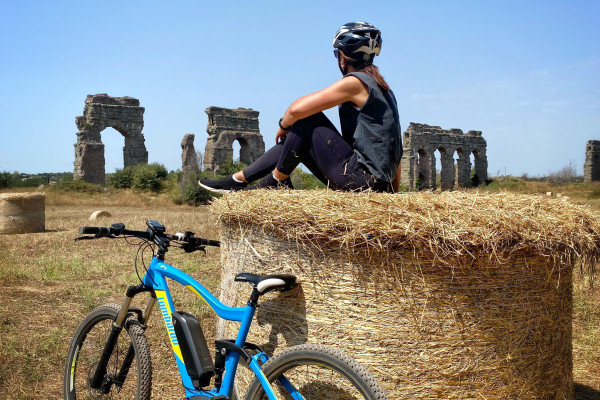
Cycling here allows visitors to admire towering Roman aqueducts while following one of the oldest transportation routes in Europe.
3. Via Flaminia
Constructed in 220 BC, the Via Flaminia linked Rome with the Adriatic coast and northern Italy.
Within Rome, portions of the ancient road survive near the Milvian Bridge (Ponte Milvio), an important crossing that witnessed one of the most decisive battles in Roman history.
Today, cyclists can combine this historic route with scenic riverside paths along the Tiber.
4. Via Aurelia
Heading west from Rome toward the Tyrrhenian coast, the Via Aurelia was essential for trade and military movements across ancient Italy.
While modern roads now follow much of its path, several original stretches remain visible around Rome and Lazio.
Exploring this area by e-bike offers a fascinating contrast between ancient engineering and modern Italian life.
5. Via Tiburtina
Dating back to the 3rd century BC, the Via Tiburtina connected Rome with Tibur, today’s Tivoli.
The road served merchants transporting travertine stone and agricultural products into the capital.
Several sections still preserve traces of the ancient pavement, reminding visitors how important these roads were to the Roman economy.
6. Via Prenestina
Originally connecting Rome to Praeneste (modern Palestrina), the Via Prenestina remains one of the city’s oldest surviving roads.
Today, parts of its route blend into modern neighbourhoods, where ancient and contemporary Rome exist side by side.
It’s a perfect example of how history continues to shape everyday life in the Eternal City.
7. Via Casilina (Ancient Via Labicana)
The modern Via Casilina follows much of the ancient Via Labicana, which once connected Rome with southeastern Lazio.
Cycling through this area reveals archaeological remains hidden among residential districts, proving that Roman history isn’t confined to museums.
Many travellers are surprised by how often ancient monuments appear unexpectedly along ordinary streets.
8. Via Nomentana
The Via Nomentana originally led to the ancient town of Nomentum.
Along its route, visitors can discover historic churches, catacombs, and elegant villas that have stood for centuries.
The road demonstrates how Roman infrastructure continued to influence urban development throughout the Middle Ages and beyond.
9. Via Salaria
One of Rome’s oldest roads, the Via Salaria owes its name to salt.
Long before the Roman Empire reached its peak, traders used this route to transport salt from the Adriatic coast into central Italy.
Today, portions of the road still exist, connecting modern districts with one of Rome’s earliest commercial highways.
10. Via Triumphalis
Less well known than the Appian Way, the Via Triumphalis held enormous ceremonial importance.
Victorious Roman generals travelled this road during triumphal processions before entering the heart of Rome.
Recent archaeological discoveries have uncovered extensive sections of the ancient road near Vatican City, revealing beautifully preserved paving stones and burial sites.
For history enthusiasts, it’s one of Rome’s hidden treasures.
Why Ancient Roman Roads Were So Revolutionary
Roman roads weren’t simply paths—they were engineering masterpieces.
Built with multiple layers of stone, gravel, and drainage systems, many have survived for more than two millennia. Their durability became the foundation of one of history’s largest empires, allowing armies, merchants, and information to move quickly across vast territories.
The famous saying “All roads lead to Rome” reflects just how extensive this network became.
Even today, many modern highways follow the same routes first designed by Roman engineers over 2,000 years ago.
Why Discover Ancient Roads by E-Bike?
Walking allows you to appreciate individual monuments, but an e-bike lets you understand how everything connects.
You can comfortably ride from the Colosseum to the Circus Maximus, continue toward the Baths of Caracalla, and eventually reach the Appian Way—all within a single experience.
Electric bikes also make Rome’s famous hills much easier to navigate, allowing visitors of different fitness levels to enjoy longer routes without feeling exhausted.
Rather than rushing from one attraction to another, cycling offers the freedom to stop for photographs, admire hidden ruins, or simply enjoy quieter corners of the city that many tourists never discover.
Experience Rome’s Ancient Roads with EsBike Tours
The best bike tours Rome offers are about much more than sightseeing—they’re about experiencing history firsthand.
At EsBike Tours, our carefully designed routes combine iconic landmarks with lesser-known archaeological treasures, allowing guests to explore the city at a relaxed pace while learning fascinating stories from experienced local guides.
Whether you’re riding along the legendary Appian Way, discovering ancient aqueducts, or uncovering hidden corners of Rome, every pedal stroke brings you closer to the city’s remarkable past.
If you want to experience the roads that helped build one of the greatest civilizations in history, there’s no better way than exploring them on an e-bike. Rome’s ancient streets are still waiting to tell their stories—you simply have to follow them.
BOOK YOUR TOUR!
Book With Extra Flexibility
Choose new departure dates if your plans change.
Reach out to us anytime via online chat, phone or email.
Get credit for future trips if you need more time to decide.
Change to a different tour run by the same tour operator.